

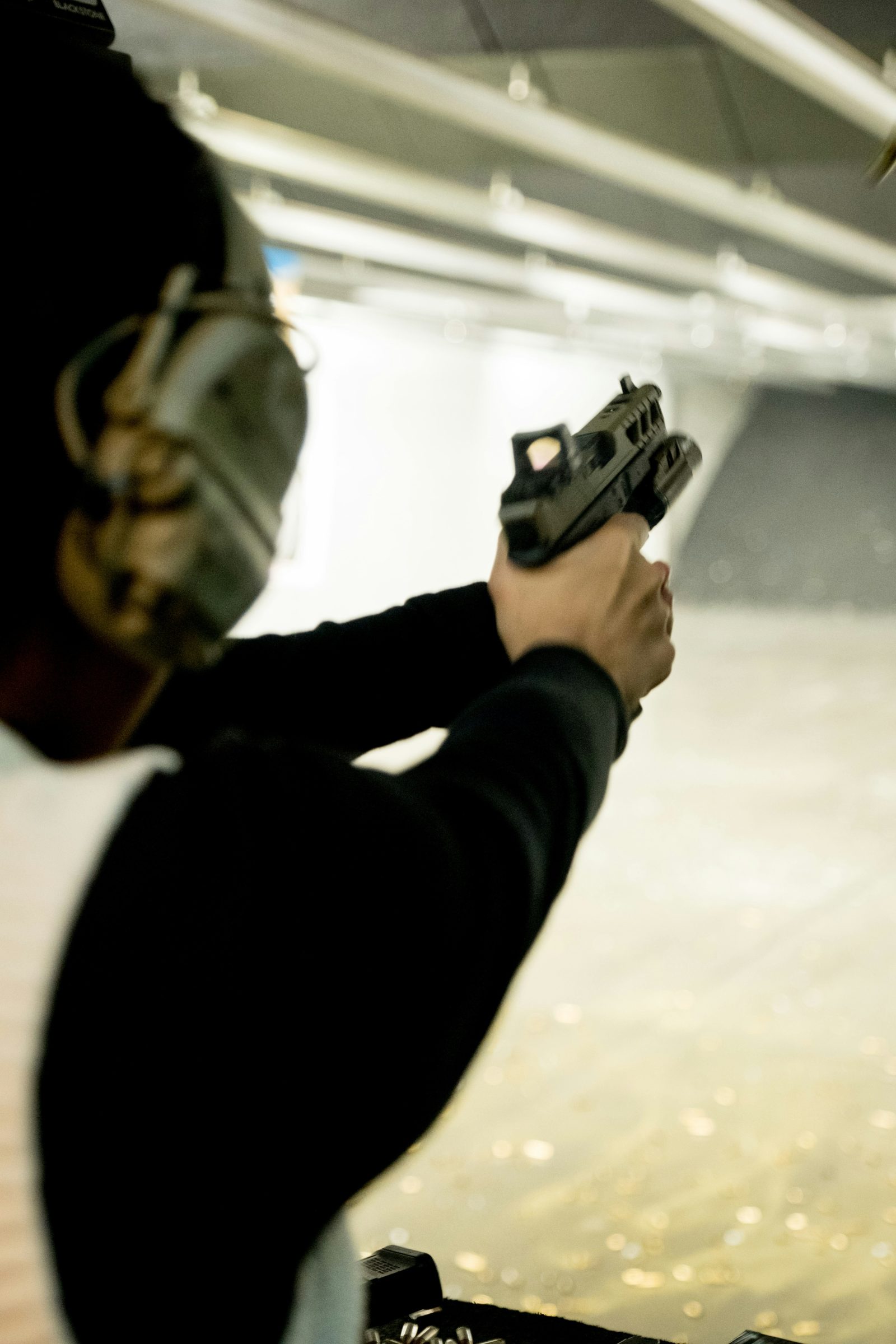
Law enforcement officers and military personnel rely on fast thinking and precise movement in high-pressure environments. Training that mirrors real-world conditions helps them prepare for unpredictable situations and reinforces effective teamwork. A live fire shoot house gives shooters a safe place to practice and test their skills in realistic conditions. It combines tactical planning, marksmanship, and decision-making in a controlled setting. Every room, doorway, and corridor becomes a learning opportunity, allowing trainees to experience authentic challenges. Working in live-fire shoot house environments like those from ActionTarget.com strengthens confidence and builds the instincts needed for successful room-clearing operations. This type of training goes beyond traditional target practice. It brings together strategy, communication, and movement to create a complete approach to tactical readiness.
Building Realism in Training
A live-fire shoot house replicates the unpredictability of real-world operations. It gives trainees the chance to move through hallways and rooms while engaging dynamic targets. This setting helps them learn how to assess threats, identify safe zones, and make split-second choices. By introducing unpredictable target behavior and variable layouts, the training becomes more authentic. This level of realism helps prepare officers and soldiers for field conditions where every second matters.
Strengthening Decision-Making Skills
Decision-making in a tactical situation requires focus, clarity, and composure. Inside a live-fire shoot house, trainees must make quick decisions about movement, engagement, and communication. Each scenario tests their ability to stay calm and think clearly under pressure. These exercises build mental discipline, improving response time and judgment. The constant evaluation of threats and surroundings reinforces situational awareness, which is essential for real operations.
Enhancing Communication and Team Coordination
Effective communication is the foundation of successful tactical work, according to Management Concepts. Teams that train in a shoot house learn how to move in sync, share information, and adjust to evolving threats. Every action, from entering a room to providing cover, depends on teamwork. The live-fire setting allows teams to practice verbal and nonverbal signals while maintaining accuracy and safety. This experience builds trust and understanding among members, which directly translates into stronger performance in the field.
Developing Precision Under Pressure
Practicing in a safe setting builds accuracy, but real skill shows when shooters stay focused under pressure. A live-fire shoot house introduces realistic stress factors such as noise, limited visibility, and tight spaces. Trainees learn how to control breathing, maintain focus, and shoot accurately despite distractions. This type of training reinforces muscle memory and helps shooters develop the calm control needed in real confrontations. The combination of pressure and precision forms the core of advanced tactical readiness.
Teaching Safe and Effective Room-Clearing Techniques
Room clearing is a vital skill for law enforcement and military teams. Each entry requires precise coordination and awareness of angles, cover, and potential threats. In a live-fire shoot house, participants can practice these movements in an authentic but safe setting. They learn how to clear corners, identify targets, and minimize exposure while maintaining situational control. Repetition under realistic conditions helps teams build consistency and confidence, making them more effective when facing actual threats.
Encouraging Adaptability and Critical Thinking
Real missions are rarely predictable. Every situation brings unique challenges that require adaptability and quick problem-solving. The dynamic layout of a shoot house forces trainees to think creatively and respond to changing circumstances. They must adjust tactics on the move, work within confined spaces, and stay alert to unexpected developments. These experiences improve flexibility and critical thinking, allowing officers and soldiers to react effectively in unfamiliar environments.
Supporting Instructor Evaluation and Feedback
Another advantage of live-fire shoot house training is the ability to observe and evaluate performance in real time. Instructors can monitor decision-making, communication, and accuracy from safe viewing areas. This allows for immediate feedback and correction of mistakes while reinforcing good habits. Reviewing footage or detailed reports after the exercise helps participants understand what went well and what can be improved. Continuous evaluation ensures that every session contributes to measurable skill development and higher levels of readiness.
Promoting Confidence and Real-World Readiness
Confidence comes from experience and repetition, says LinkedIn. Training inside a live-fire shoot house builds familiarity with realistic challenges, helping trainees feel prepared and capable. The ability to make sound decisions and move efficiently under pressure translates directly to operational success. Over time, this confidence reduces hesitation and improves composure in unpredictable situations. A confident team is a safer, more effective team, ready to respond with accuracy and control.
A live-fire shoot house is one of the most valuable tools for developing tactical proficiency. It combines realistic scenarios, team coordination, and stress-based learning to enhance both mental and physical performance. Training in realistic conditions strengthens decision-making, communication, and accuracy. The structure allows for safe but challenging practice that strengthens judgment and awareness. By focusing on realism and adaptability, these facilities help prepare officers and soldiers for the demands of real-world missions. The result is stronger teamwork, sharper instincts, and greater confidence in every tactical situation.